STEWARDSHIP
Leave It Better
XALA began with a simple responsibility: whatever is built here should leave the land, the coast, and the surrounding communities stronger over time.

Before anything was built
What Was Already Here
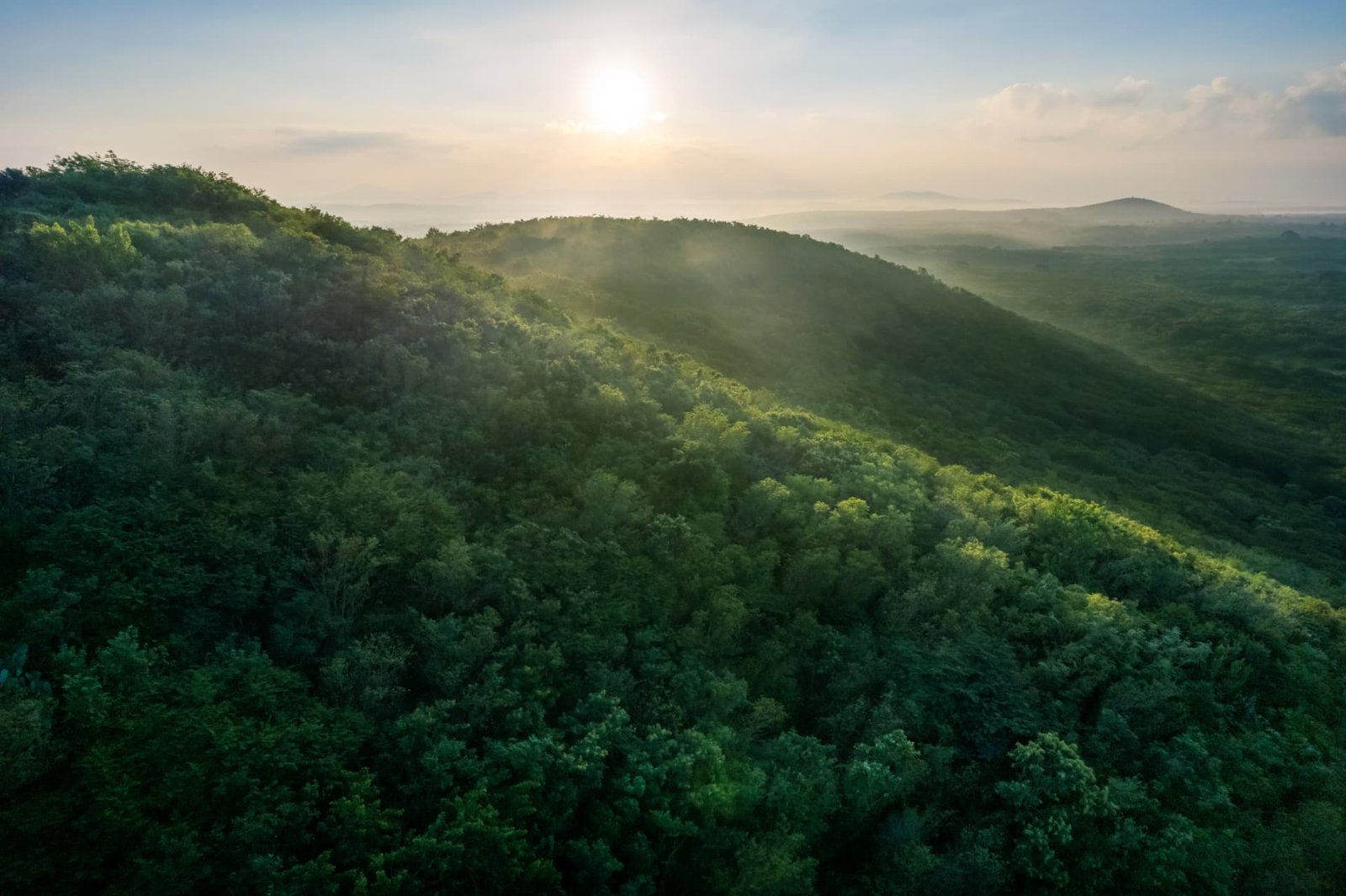
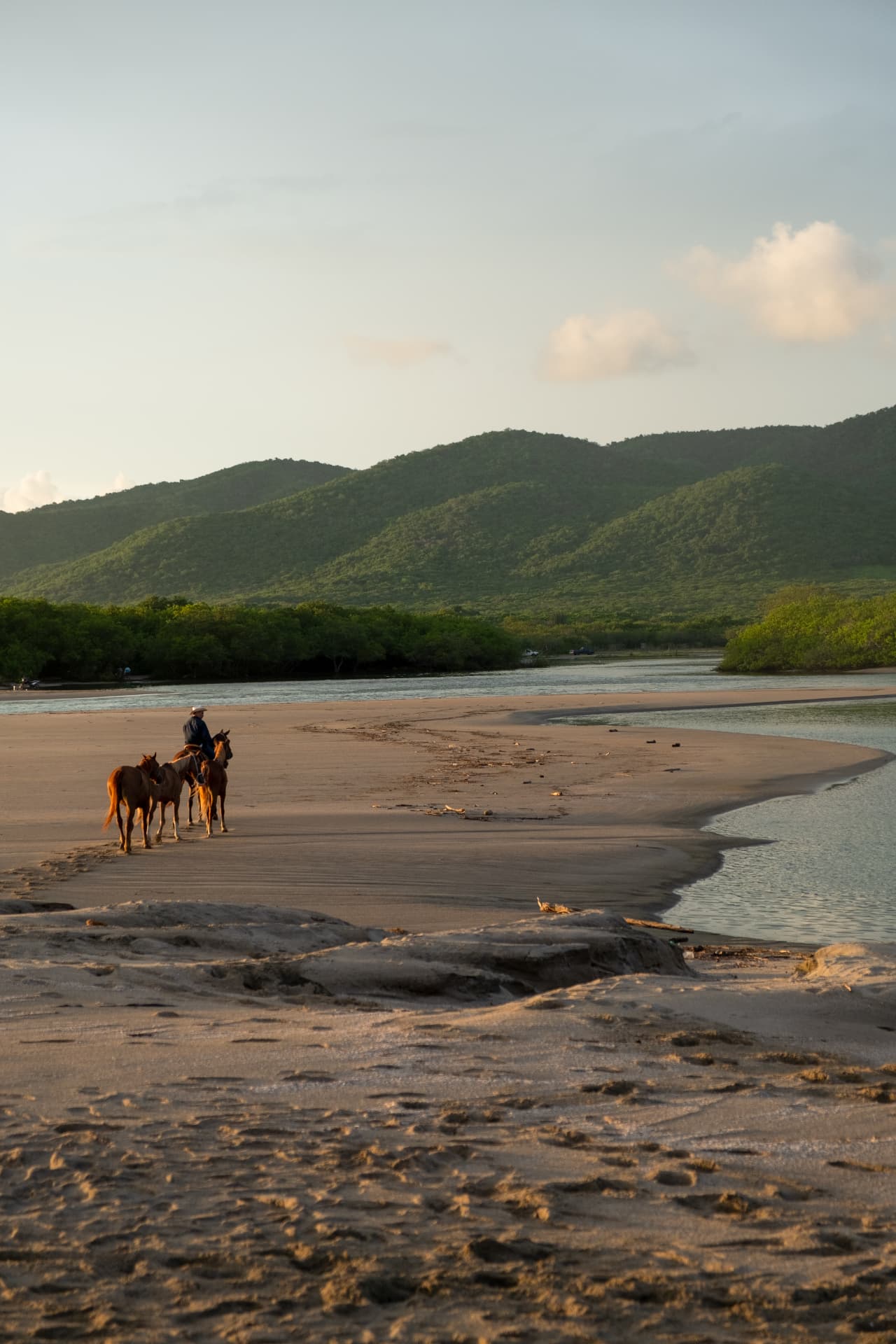
XALA is home to estuaries, mangroves, seasonal forest, working farmland, fishing communities, wildlife and miles of Pacific coastline.
XALA’s responsibility begins with understanding what was already here and deciding what should remain untouched, what can be restored, and where development can exist responsibly.
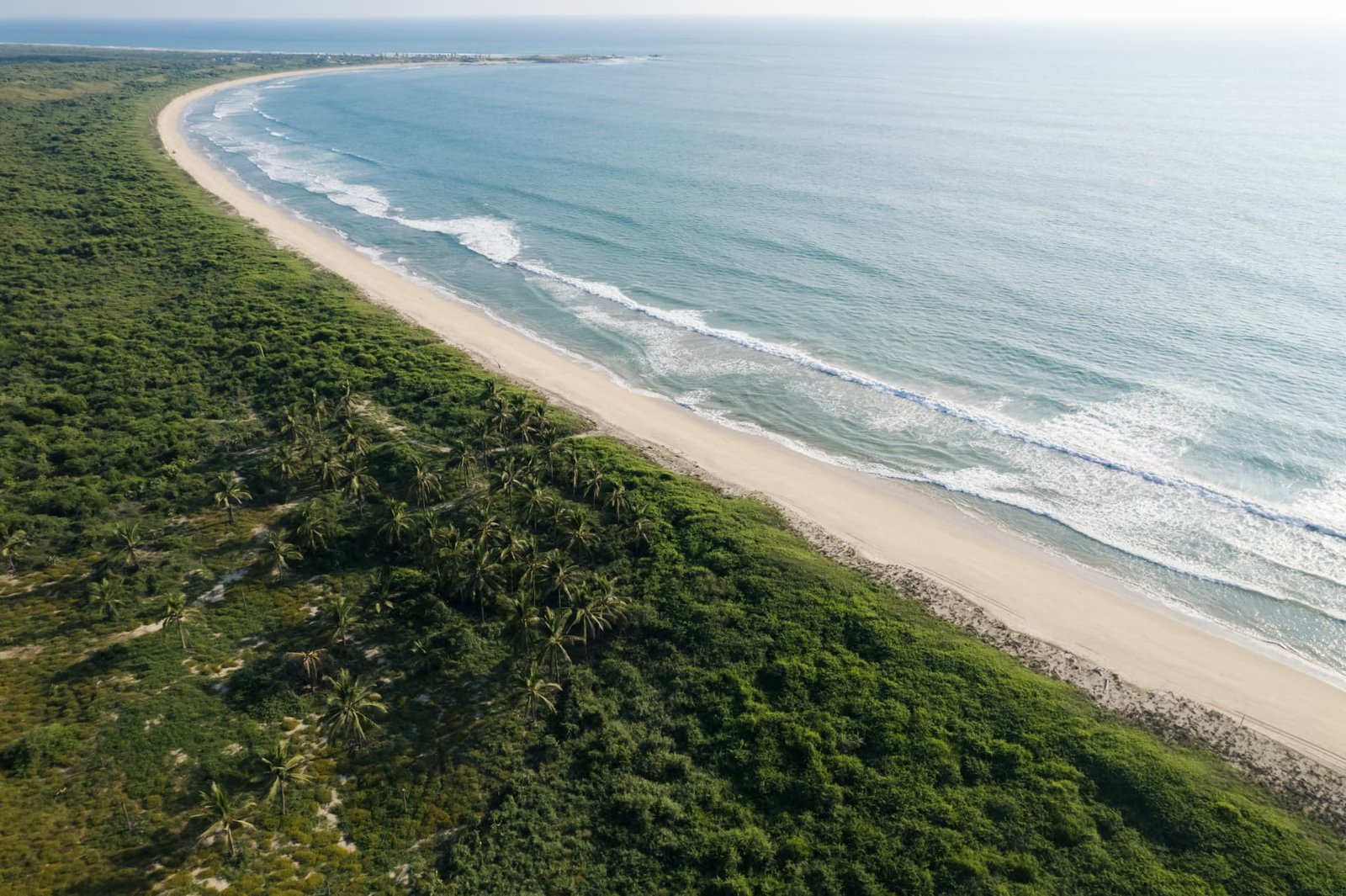
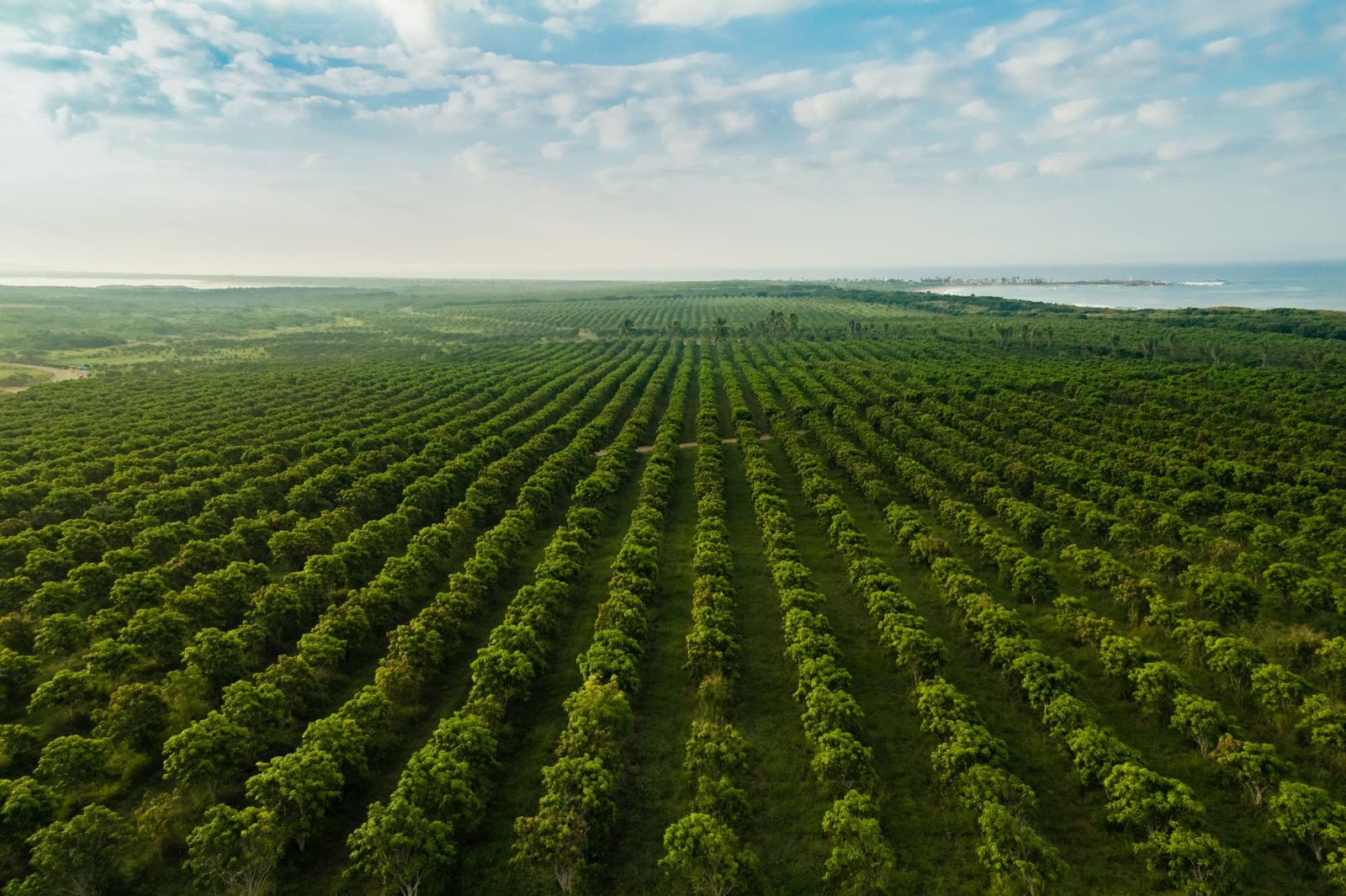
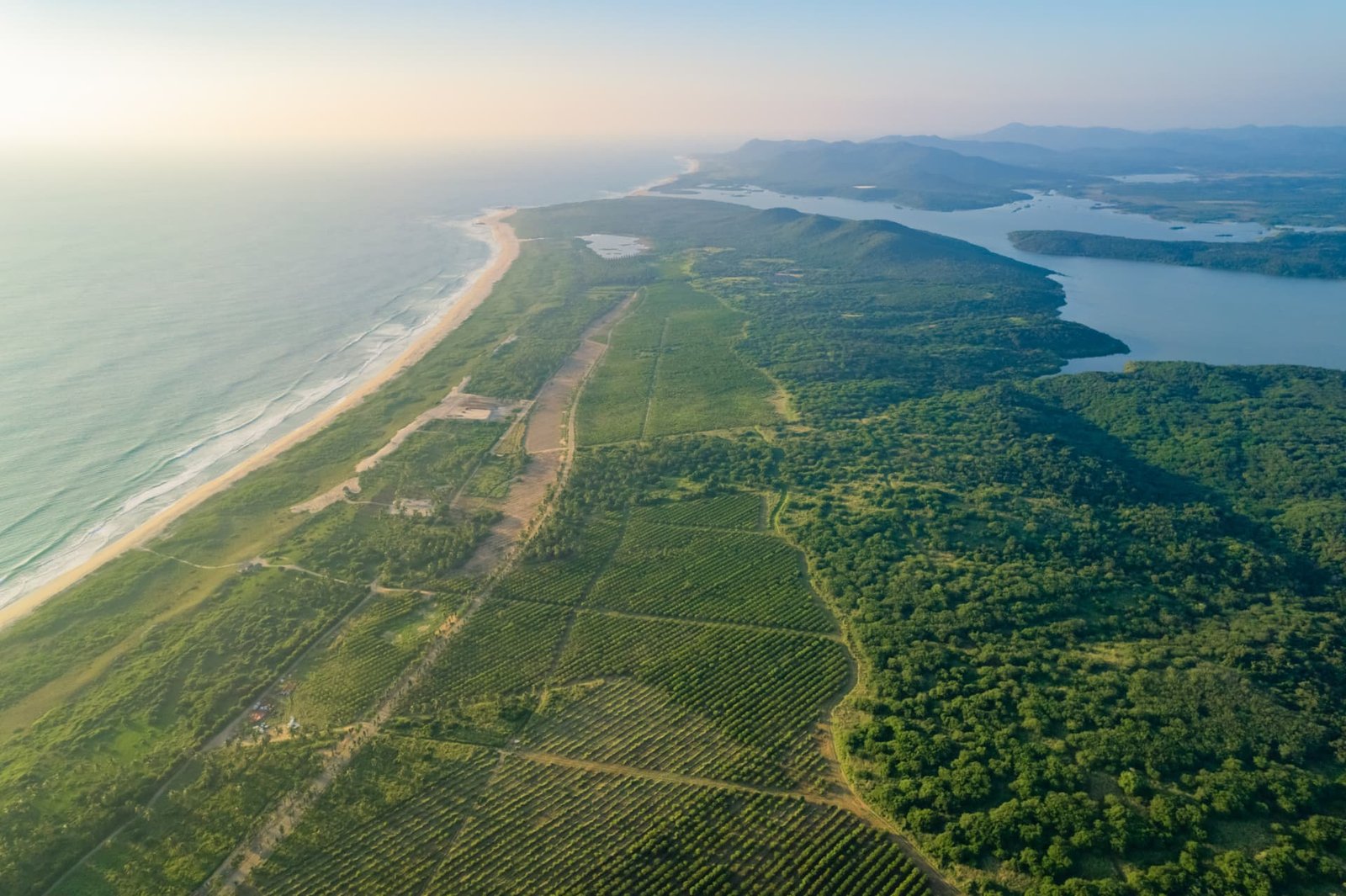
The property covers approximately 3,000 acres between two estuaries and more than five miles of coastline, from the beach and dunes to tropical dry forest and the foothills of the Sierra Madre. Less than 20 percent of that land is intended for development.
Regeneration
Beyond Sustainability
Sustainability asks how to reduce impact. XALA is working toward something more ambitious: restoring ecosystems, protecting natural resources and making decisions that improve the region over time.
Estuaries
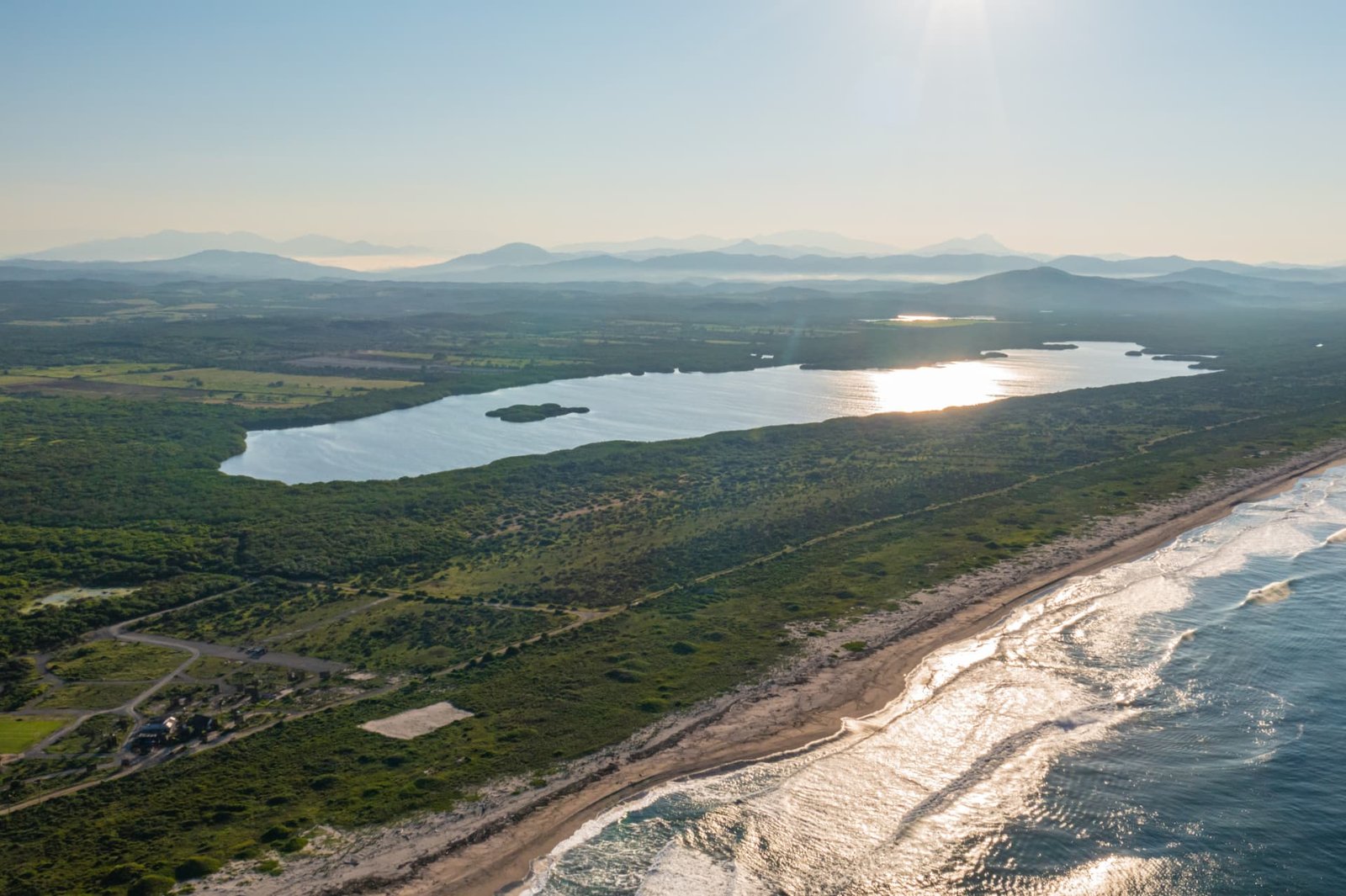
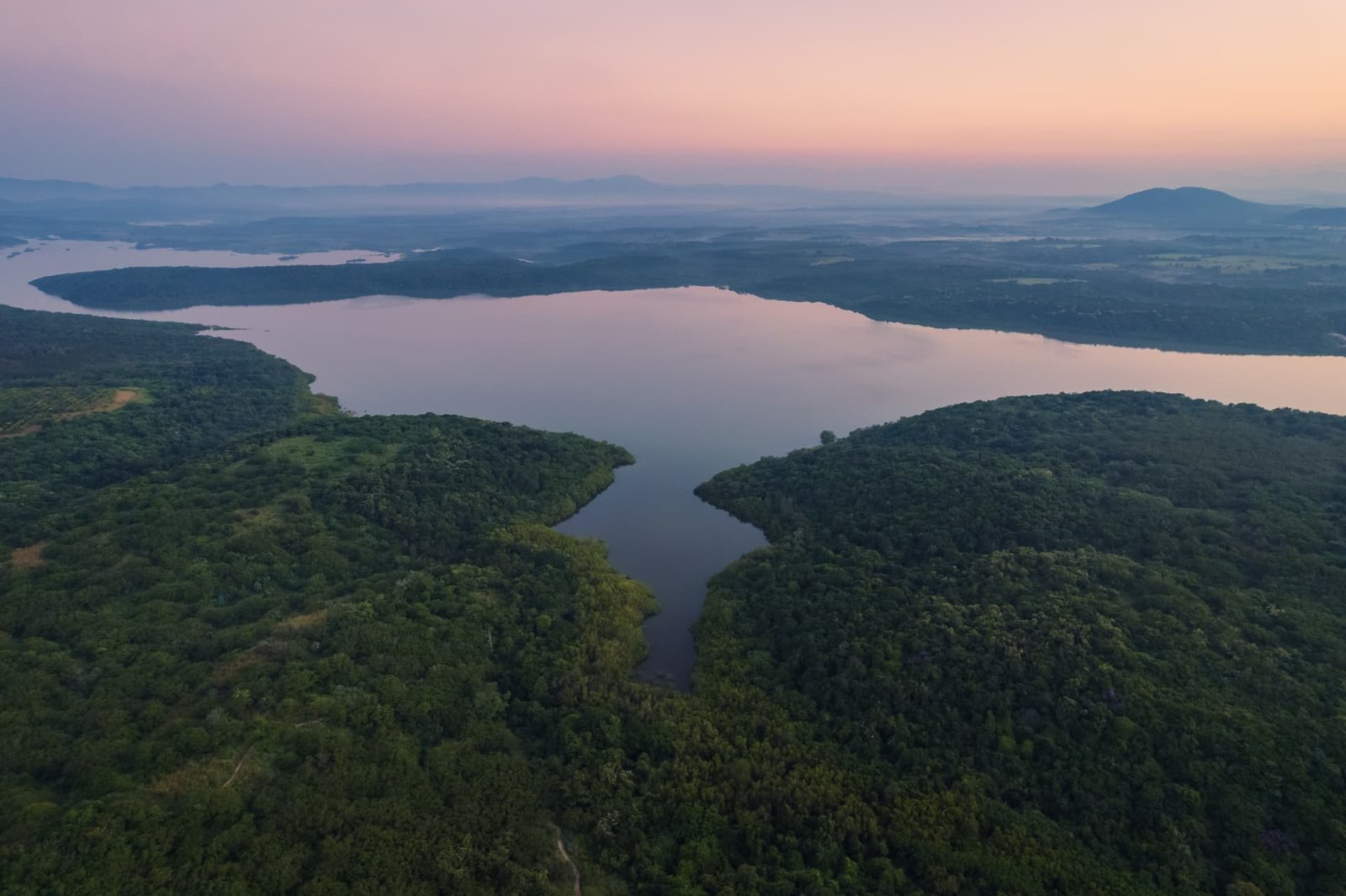
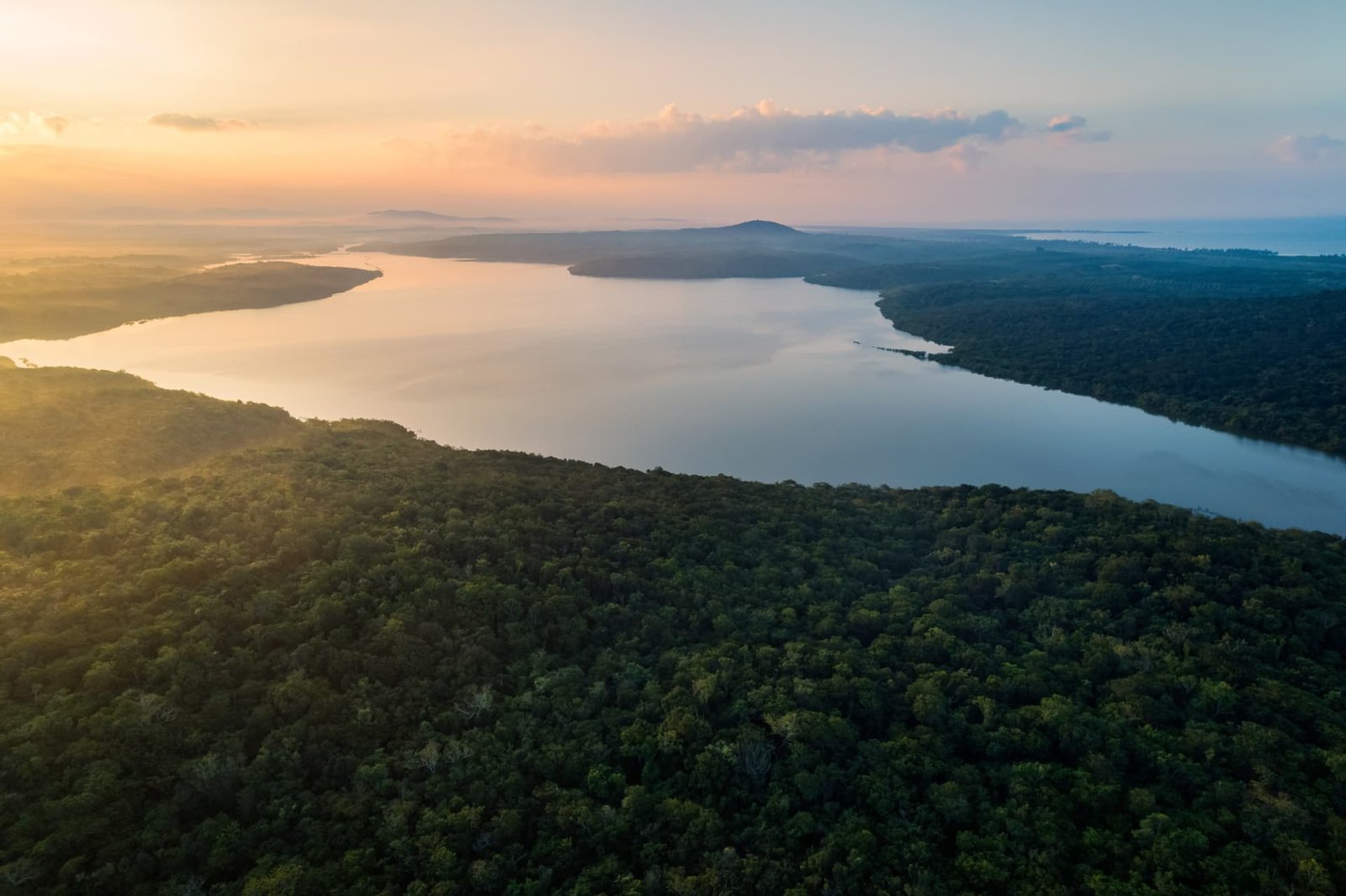
Laguna Chalacatepec, approximately 1,093 hectares, and Laguna Xola-Paramán, approximately 775 hectares, have been recognized as wetlands of international importance under the Ramsar Convention since 2008. XALA’s own work includes water monitoring, native revegetation and interventions designed to improve estuarine flow.
Mangroves
Chalacatepec supports red, white, black and buttonwood mangroves. They shelter young fish and crustaceans, resident and migratory waterbirds and American crocodiles, and hold the edge between land and water.
Native forest
Approximately 590 acres are committed to reforestation with native species. Seeds are collected from native and endemic trees, propagated and planted as fertility islands, dense clusters of vegetation from which the forest can spread on its own.
The ocean
Across Costalegre, Sierra a Mar is working toward marine protected areas, fisheries refuges and fishing practices that let depleted populations recover, along with artificial reef structures that give octopus and lobster new habitat.
The surf reef
The reef was designed with marine habitat in mind as well as waves. Its underwater structure is intended to give marine life somewhere to settle, and its ecological performance will be studied over time.
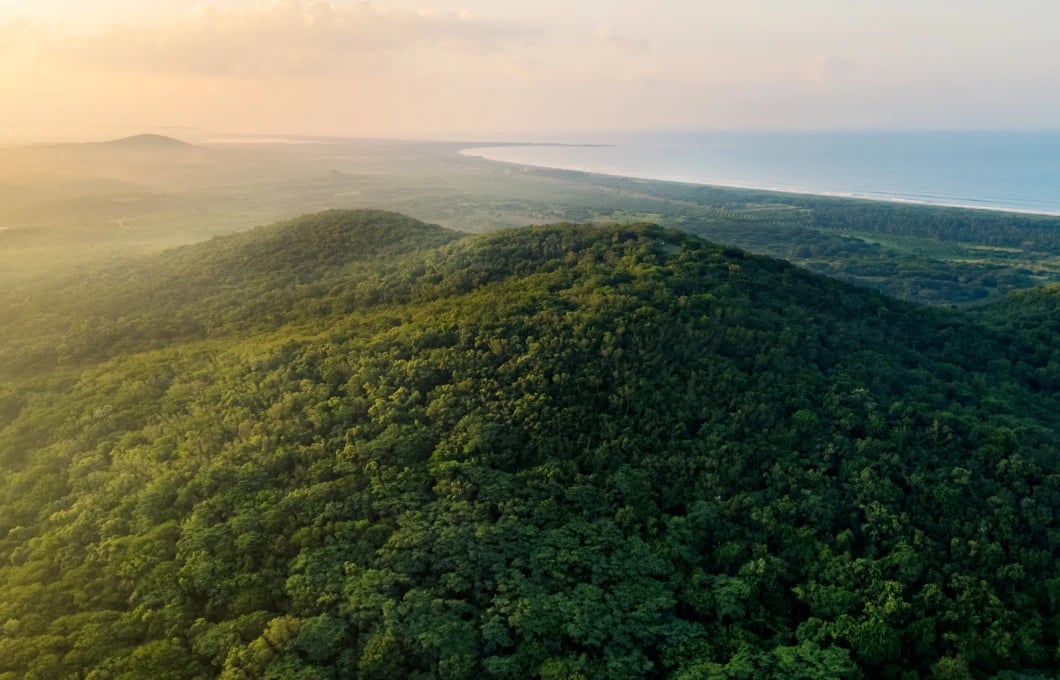
590 acres
Committed to reforestation with native species.
The measure is function. A healthy wetland moves water, supports life and keeps adapting long after the work itself is finished.

Chalacatepec
The Turtle Sanctuary
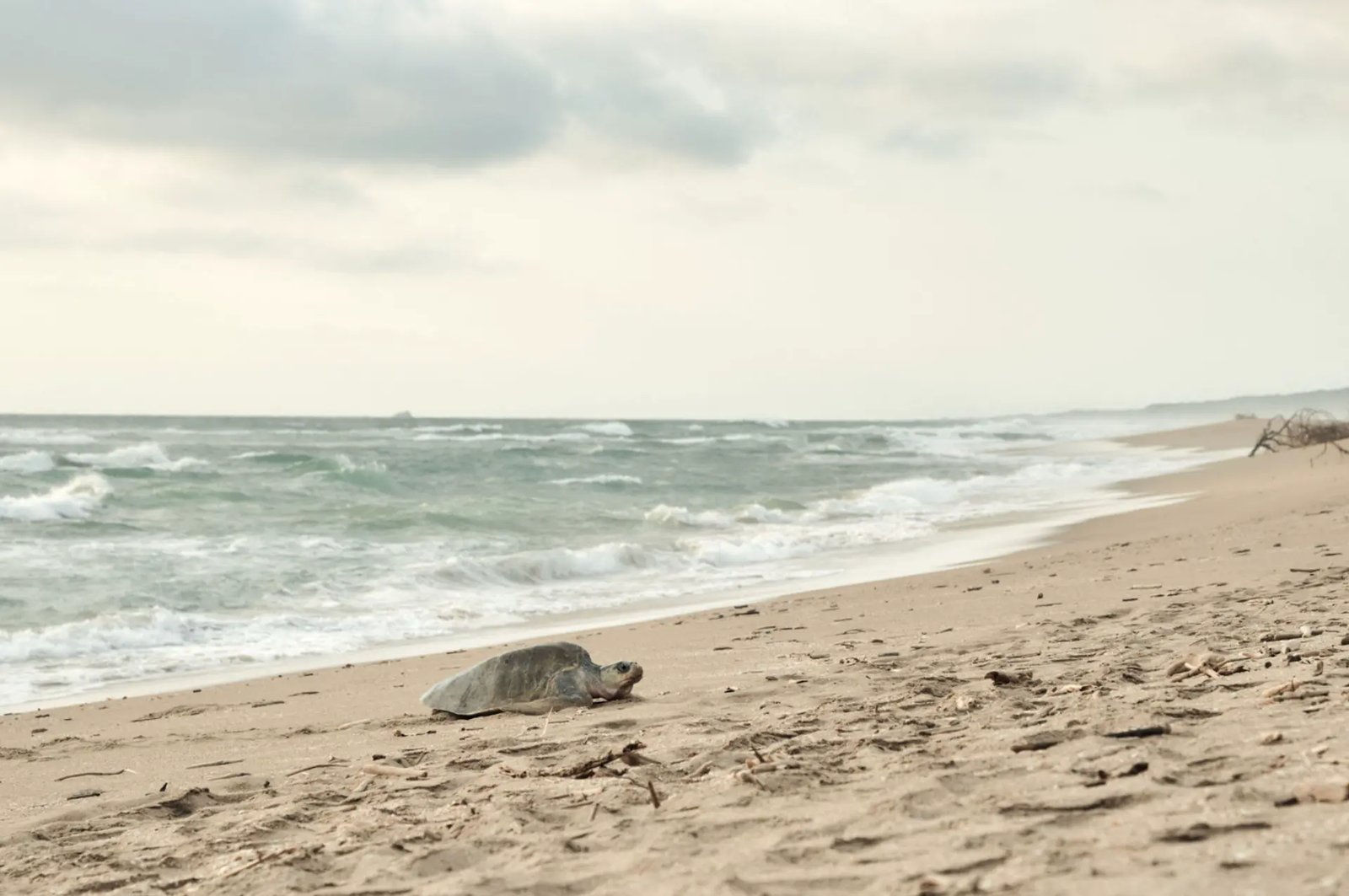
Every year, sea turtles return to this coastline to nest.
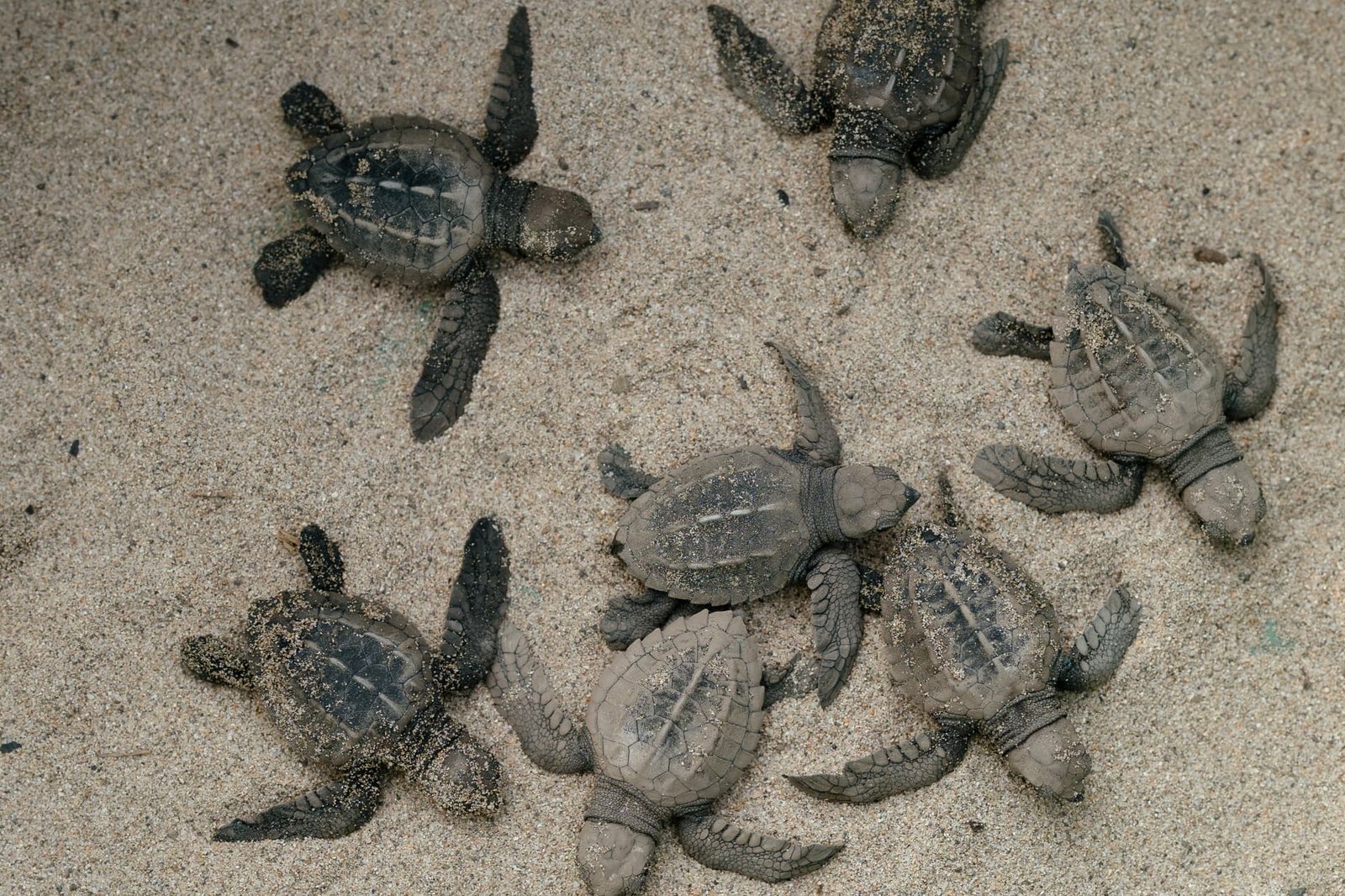
The Campamento Tortuguero de Chalacatepec has operated on XALA’s coastline under the protection of CONANP, Mexico’s National Commission of Natural Protected Areas, since 1992. It protects nesting by three species: the Olive Ridley, the Green and the Leatherback.
The work follows the season. Beaches are patrolled, nests are identified and recorded, and eggs at risk from predators or disturbance are moved to a protected incubation area. Hatchlings are monitored there until they are released to the Pacific.
CONANP has documented thousands of nests associated with the camp. Its patrols, egg collection, incubation and environmental education programs have continued along this part of the Jalisco coast for decades.
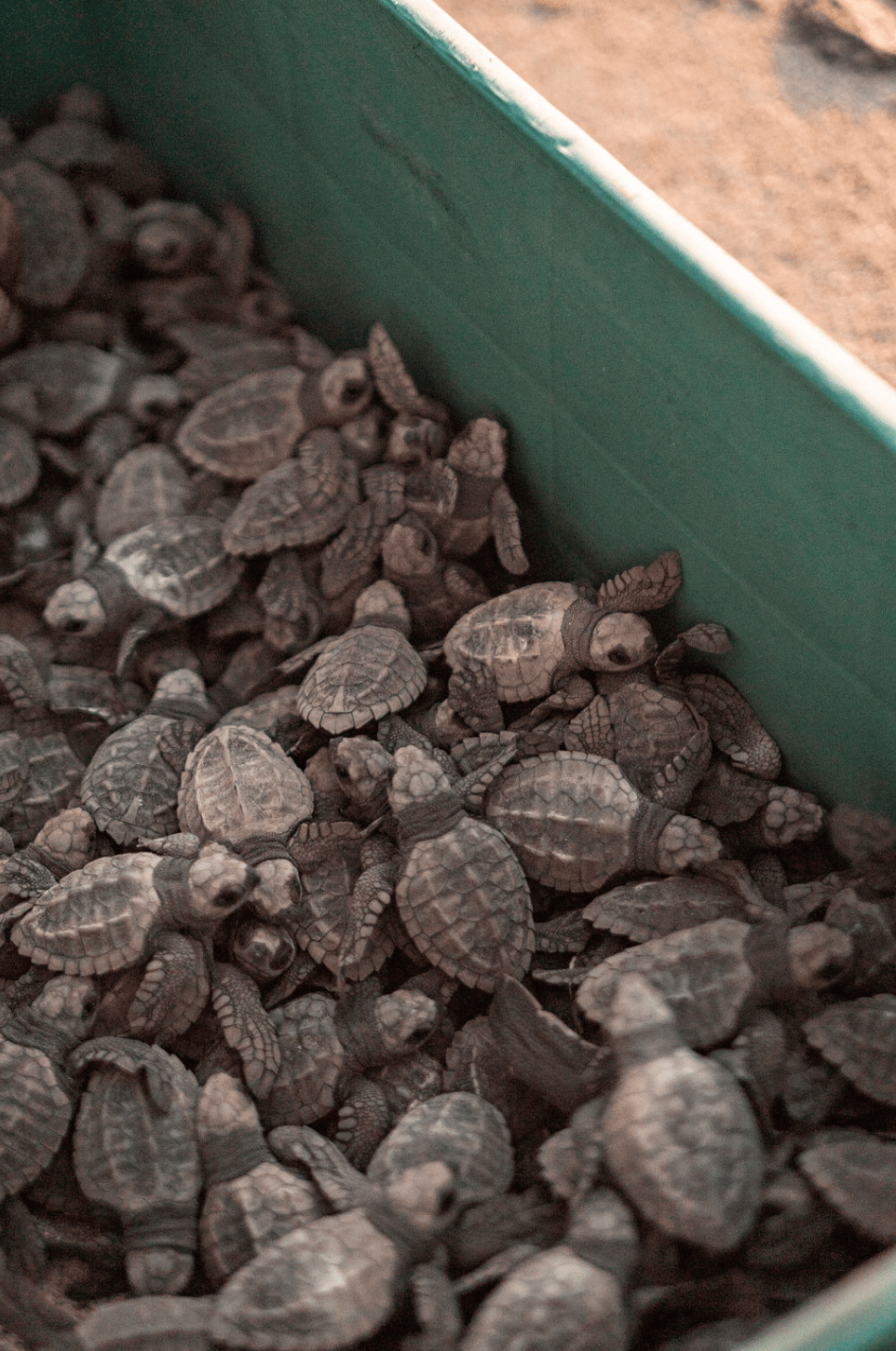
700,000+
Hatchlings guided to the ocean from XALA’s protected shores in 2025, as reported by XALA.
Owners can join a release and see the patrol and incubation work that comes before it.

Ridge to Reef
Water and Land
Water crosses every boundary drawn on a map.
Four major river basins shape the hydrology of Costalegre. Their water starts in the mountains, runs through forest, farmland and towns, and reaches the estuaries and the sea carrying everything that happened upstream. Wastewater, plastics, agricultural chemicals and eroded soil all travel the same route.
Ridge to Reef is the framework XALA works within. Mountain, river, forest, estuary, mangrove, beach and ocean are treated as one system rather than as separate projects, which is why marine conservation here begins far inland.
XALA supports Sierra a Mar, a regional conservation initiative covering approximately 100 kilometers of Costalegre. It brings together communities, scientists, landowners, universities and government agencies on watershed research, forest recovery, estuary and mangrove restoration and fisheries management. Scientific research is combined with the knowledge of the farmers, fishermen and salt producers who have worked this landscape for generations.
The same thinking applies to infrastructure. Water, roads and services are planned with the wider region in mind, so that what XALA builds can serve more than the development itself wherever possible.
The people of Sierra a Mar
Agriculture
A Working Landscape
Agriculture remains part of the land at XALA.
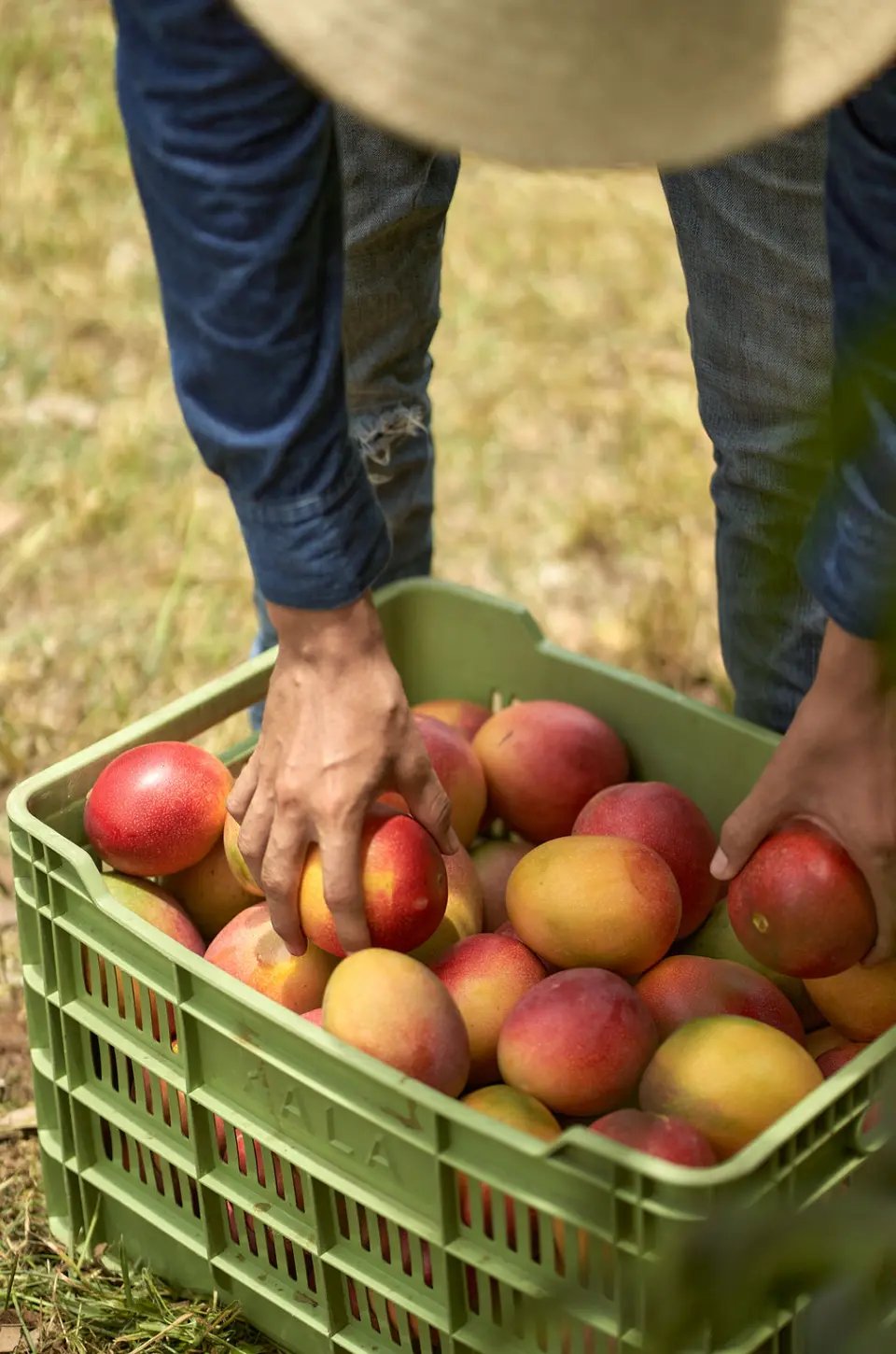
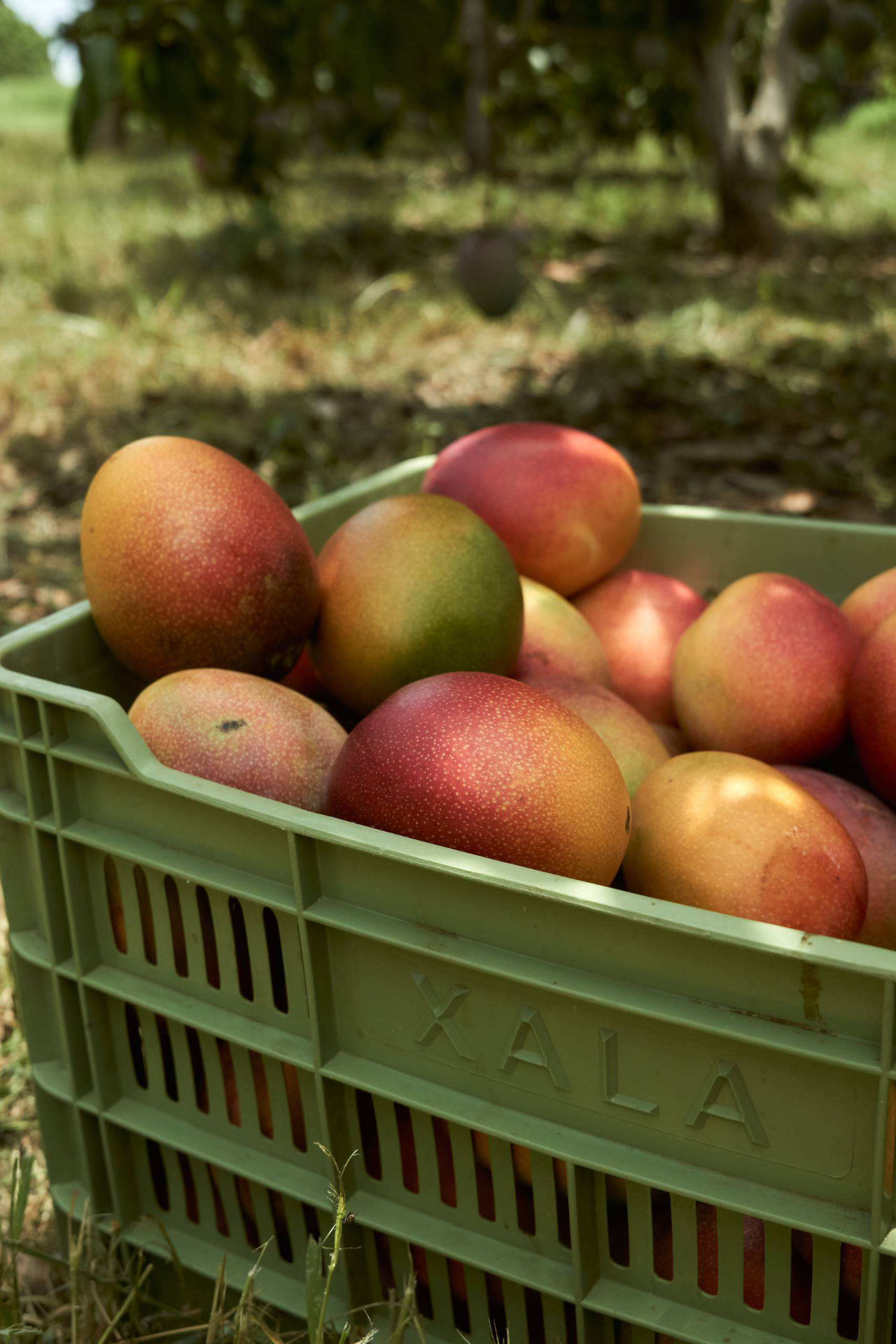
Mature mango groves run in long rows toward the dunes. The orchards are organically certified, and the groves still produce a mango crop each season.
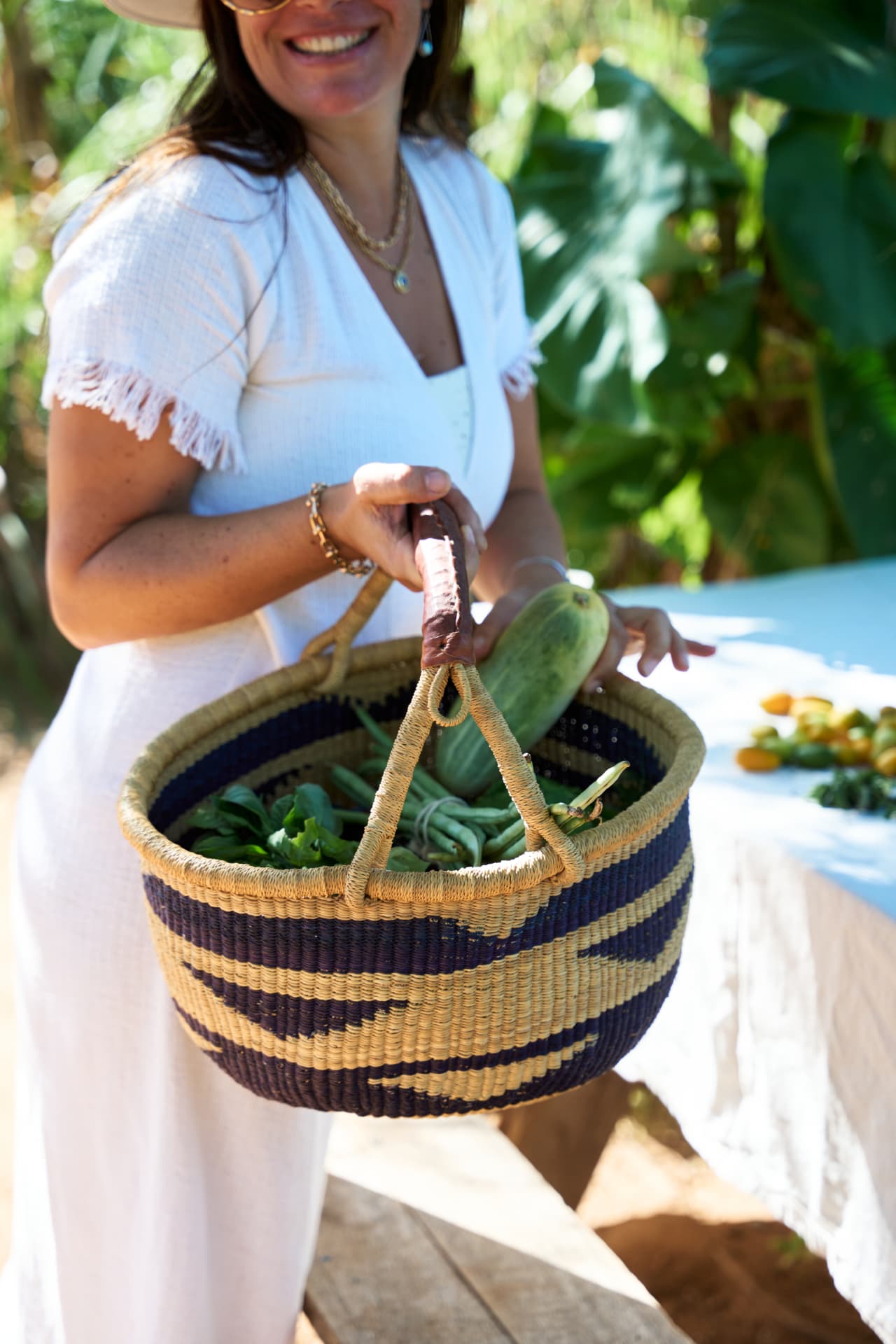
At XALA Farms, the team grows fruit, vegetables and herbs with practices focused on soil health and long term productivity. Mangoes from the orchards, vegetables from the farm and seafood from the coast make their way to XALA’s kitchens.
Beside the lagoon, traditional salt producers still work the evaporation ponds, as they have for generations.

Community
Neighbors
Development inevitably changes a region. XALA’s responsibility is to make sure that change is shaped with the communities that have lived here for generations, rather than around them.
The closest neighbors are José María Morelos and Higuera Blanca, home together to more than 3,500 people. José María Morelos alone has more than 3,000 residents, and its economy remains closely tied to agriculture, salt production, mango, watermelon and chile.
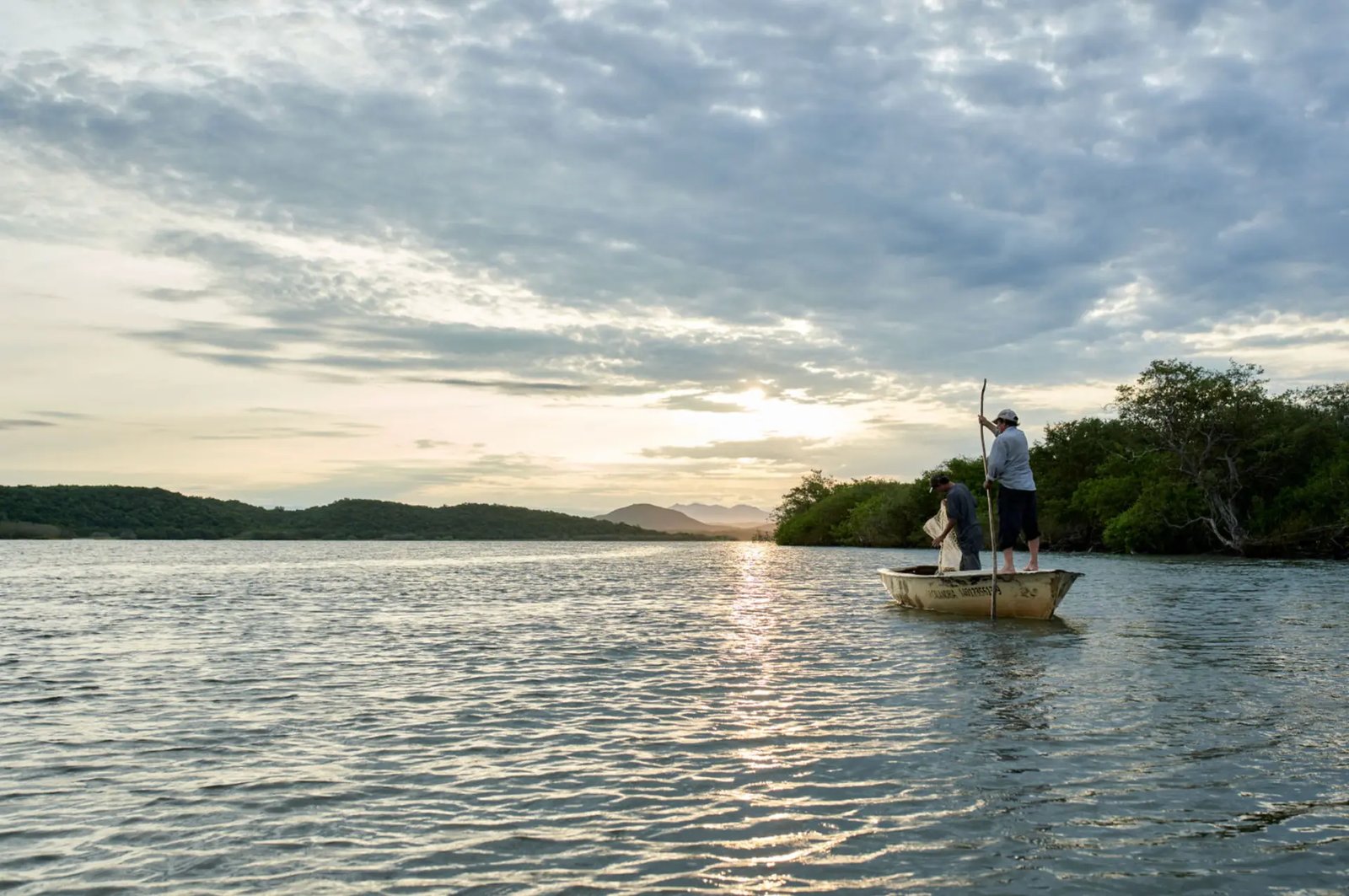
Much of the knowledge that conservation on this coast depends on belongs to these communities. In Chamela Bay, fishermen who saw octopus populations falling began working with scientists, government agencies and conservation groups on a recovery plan. It became Jalisco’s first community fisheries refuge.
At Xola-Paramán, fishermen and traditional salt producers are included in planning for the lagoon’s restoration. Day to day, much of XALA’s work with its neighbors runs through The XALA Foundation.
Education and opportunity
The XALA Foundation
The Foundation is how XALA works with its neighbors over the long term, through education, sport, economic resilience and community life.
It works principally with José María Morelos and Higuera Blanca, and describes its approach as accompanying people and building programs together with each community.
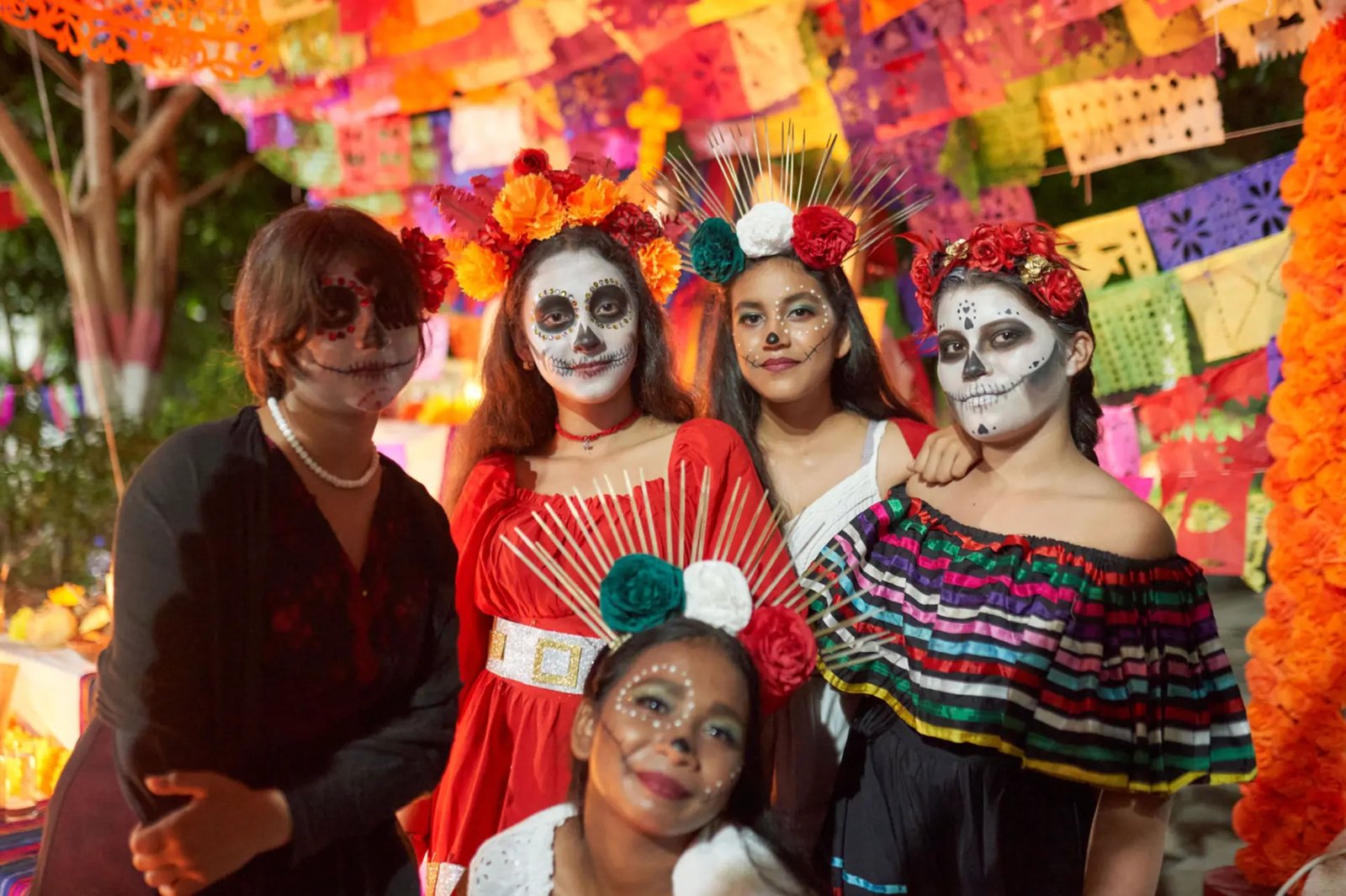
Its programs include youth sport in Higuera Blanca, education and an entrepreneurial certification for local residents. Transparency, coherence and collaboration are its stated values, and they apply to how relationships are kept as much as to which programs run.
In 2023, Foundation programs reached more than 1,000 local residents.

38
Participants completed the Foundation’s entrepreneurial certification program, 36 of them women.
Low density
Responsible Development
The easiest way to protect land is often to leave more of it alone. XALA’s low density approach is designed around that principle.
3,000
Acres, from the Pacific to the foothills of the Sierra Madre.
Less than 20%
Of the land intended for development.
1,270
Acres, approximately, maintained as protected natural habitat.
82
Rancho Estates, each of approximately five acres.
Construction is concentrated in selected areas so the rest of the property stays connected. Wildlife corridors link forest, farmland, wetlands and coast, and large stretches remain open.
The goal is to keep the character and ecology of this landscape intact for generations, rather than to build as many homes as the land could hold.
Participation
A Community That Participates
Stewardship at XALA is not intended to belong only to the development team. Owners, guests, local communities, conservationists, farmers, researchers and future generations all have a role in what XALA becomes.
Some owners will be drawn to the turtle camp or the reforestation work. Others care about agriculture, education, surfing, culture, horses, art or something else entirely.
XALA’s role is to open the door to that involvement and let each person decide what it looks like.


Leave It Better
The measure of XALA will not simply be what is built here. It will be what remains protected, what is restored, what continues to grow, and what this coastline looks like generations from now.
Learn About XALA